
Wildlife does more than just make our gardens beautiful; it plays a vital role in creating a healthy, balanced ecosystem. From bees pollinating our fruit and veg to birds and hedgehogs acting as pest control, encouraging wildlife is one of the best things you can do in an organic garden.
We asked allotmenteer and gardening author Rob Smith for his advice on how to boost biodiversity. From planting seeds for pollinators to providing places for hibernating, nesting and breeding, here are his top tips for turning your garden into a welcoming home for wildlife…
Why is wildlife helpful in organic gardens?
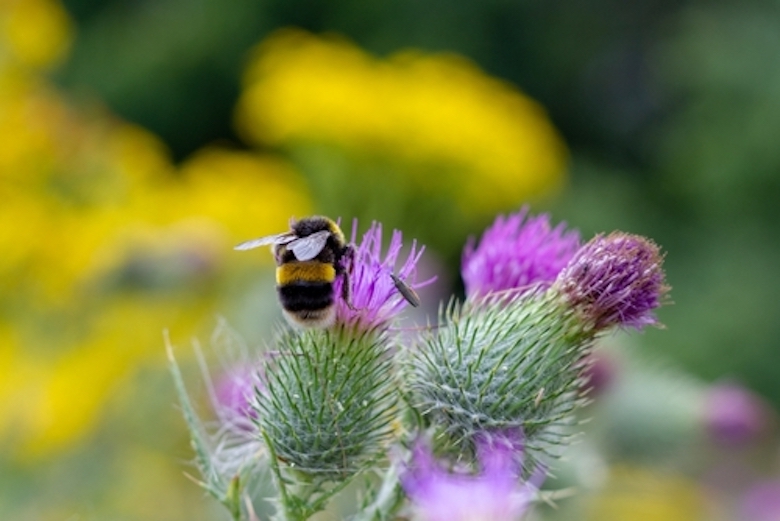
Image: Shutterstock
A biodiverse garden is a self-sustaining ecosystem where nature handles the heavy lifting. By welcoming a wide variety of wildlife, you create a natural balance that makes your plot more resilient and, crucially for organic growers, removes the need for harsh chemicals.
In this living network, every visitor has a role. Pollinators like bees and butterflies are the backbone of a successful harvest, essential for everything from orchard fruits to your beans, courgettes, and squash. Meanwhile, your ‘pest control’ team works around the clock: birds, hedgehogs, and frogs act as a natural defence against slugs, while helpful insects like ladybirds, hoverflies, and lacewings keep aphid populations in check. When you garden for biodiversity, you aren’t just growing food; you’re managing a thriving, chemical-free sanctuary.
Top tips for creating a wildlife-friendly garden
Source: Shutterstock
Creating a welcoming space isn’t complicated. By following a few simple principles, you can make a huge difference.
- Provide Food All Year Round: Wildlife needs energy through all the seasons. Aim for a sequence of flowering plants and berry-producing shrubs to provide a continuous food source.
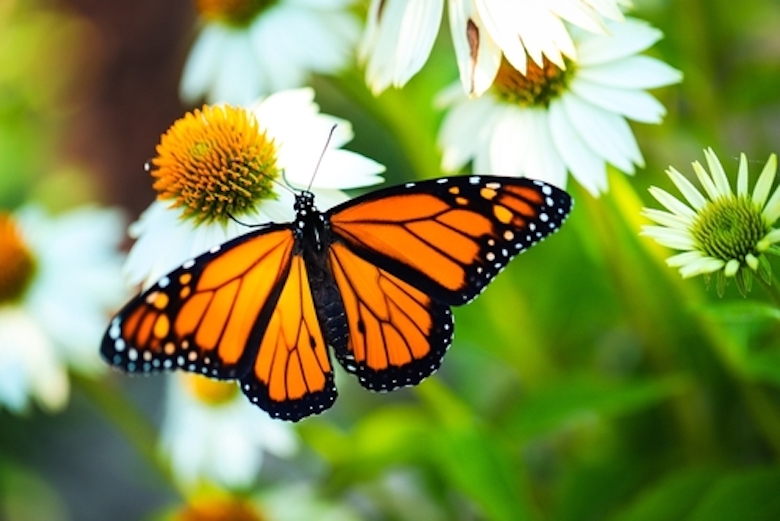
- Choose Simple Flowers: Choose single, open-faced flowers where bees and butterflies can easily reach the pollen and nectar. Many highly-bred, double-flowered plants are difficult for insects to access.
- Offer Shelter: Trees, shrubs, and hedge plants are perfect for nesting, hiding from predators, and sheltering from rain. A simple pile of logs or branches in a shady corner provides an ideal habitat for frogs, toads, and beneficial insects. Even a small patch of grass left to grow long can create a home for the caterpillars of butterflies like the meadow brown and skipper.
- Add a Water Source: A shallow pond, no matter how small, is a fantastic feature for attracting wildlife. It will bring in frogs, toads, newts and dragonflies, and provides a drinking spot for birds and small mammals. Try a patio pond kit if you don’t have space for anything bigger.
- Plant in Sunny, Sheltered Spots: Position nectar-rich flowers in the sunniest, most sheltered parts of your garden. Butterflies in particular love to feed and bask in the sun.
- Go Chemical-Free: Avoid pesticides wherever possible, as they harm birds and beneficial insects as well as pests. Give natural predators time to do their job before reaching for slug pellets or sprays.
What to grow for bees and butterflies each season
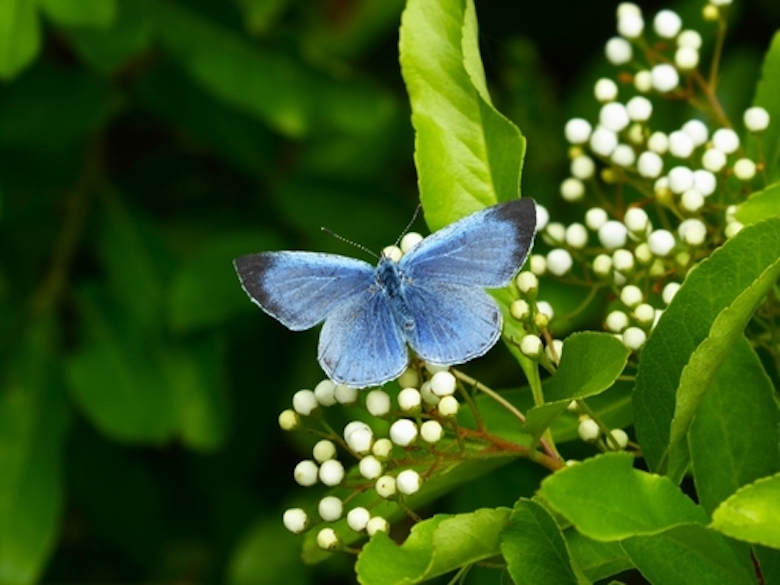
Image Source: Shutterstock
Bees and butterflies get their energy from nectar, and by planting the right flowers you can provide food from the first signs of spring to the last days of autumn.
- Spring: As butterflies emerge from hibernation, they need to build up reserves. Early-flowering plants are a lifeline. Try Crocus, Aubrieta, Sweet Rocket, wallflowers, and flowering currants (Ribes sanguineum). Flowering herbs like Thyme, Marjoram, and Chives are also excellent.
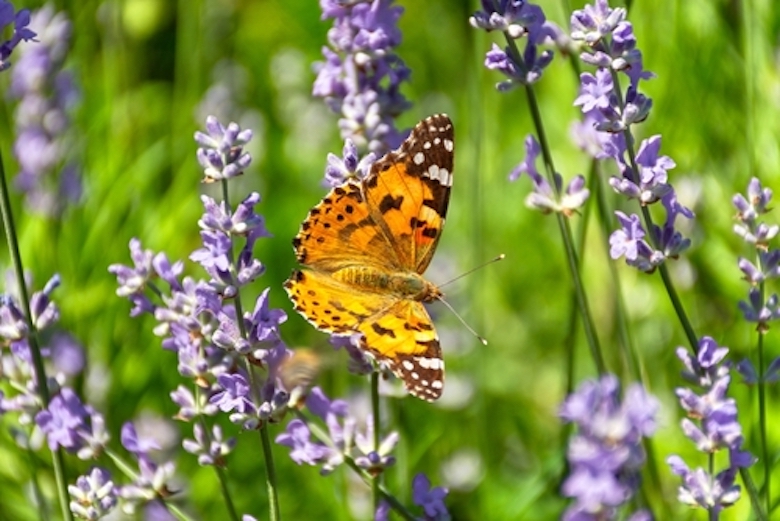
- Summer: This is when your garden should be buzzing with activity. Some of the best summer plants include the classic Buddleia, scented Lavender, Scabiosa ‘Butterfly Blue’ and Sea Thrift. You can also try biennials like Sweet Williams, and easy-to-grow annuals like Californian Poppies.
- Autumn: Pollinators need to build up energy stocks for migration or hibernation. Daisies are the star of the autumn garden for this. Other great autumn picks include Rudbeckia, Helenium, Michaelmas Daisies (Aster), Stonecrops, and late-flowering ivy.
Don’t forget the caterpillars! You can’t have butterflies without caterpillars. Thankfully, most are specialist feeders with specific host plants, meaning they won’t decimate your entire garden. The Holly Blue butterfly, for example, lays its eggs on holly and ivy, but the caterpillars only feed on the flowers and berries – a small price to pay for a brood of beautiful blue butterflies!
What to grow for birds and other helpers
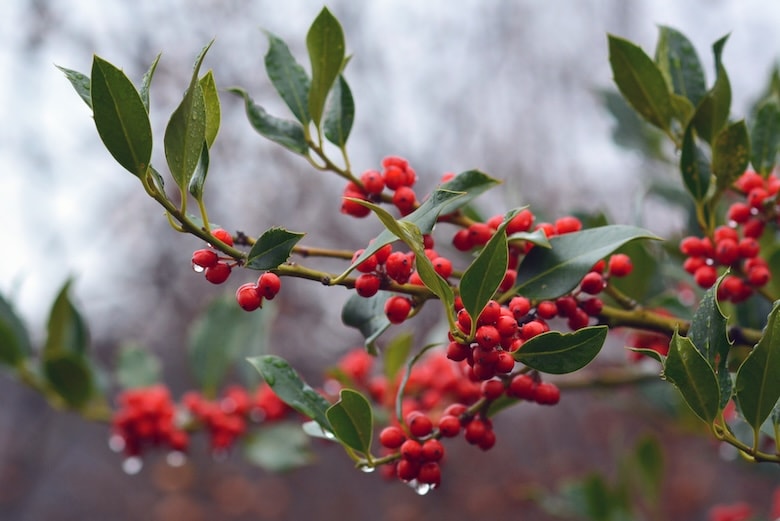
Image: Ilex aquifolium ‘J.C. van Tol’ from Dobies
Birds are brilliant at pest control, as well as bringing life and song to the garden. Provide them with food and shelter, and they’ll reward you many times over. Here’s what to consider:
- Plants with berries and seeds: Birds love the berries of plants like pyracantha, holly, hawthorn, and rowan. In late summer, let flowers like sunflowers, Echinacea, and teasels go to seed for a natural bird feeder.
- Plants for shelter: Evergreen hedges and shrubs provide excellent cover from predators and the elements during the cold winter months.
As well as planning your planting with wildlife in mind, you can also provide hedgehog homes, bird feeders and other garden wildlife accessories. By making a few thoughtful choices, you can create a stunning garden that provides a sanctuary for the wonderful wildlife on our doorsteps. Read Rob’s guide to companion planting for more organic gardening tips.
Lead image: Shutterstock