
‘No-dig’ gardening works on the principle that the less we disturb the soil, the better our crops perform. By layering organic matter on the surface rather than turning the earth with a spade, it focuses on building healthy soil from the top down. It’s a straightforward, sustainable way to grow that protects vital soil life while saving you a great deal of hard work.
We asked gardening author and allotmenteer, Rob Smith, to explain how to start a ‘no-dig’ veg patch, along with the best organic vegetables to grow this way. Here’s what he told us, and why he’s such a fan…
What is no dig gardening?
At its heart, no-dig gardening is exactly what it sounds like: a method of growing where you never turn the earth or disturb the soil with a spade. Traditionally, gardeners like me were taught to dig deep to ‘aerate’ the ground, but in a no-dig system, you step back and let the ecosystem find its own balance.
Rather than breaking your back to bury nutrients in the soil, you simply add a generous layer of organic matter directly onto the surface. Earthworms, beneficial fungi, and millions of helpful bacteria act as your ‘silent workforce’, breaking down the compost and pulling it deep into the ground. They create natural tunnels for air and water, doing the hard work for you.
Why does undisturbed soil matter?
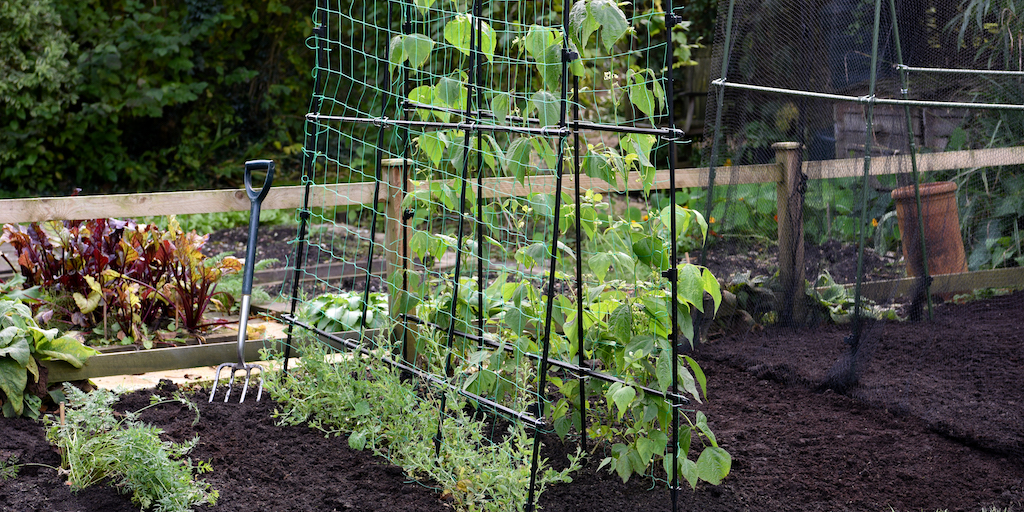
Image: Pea and Bean Tunnel from Dobies (© T&M)
Soil is a living, breathing community teeming with earthworms, microscopic bacteria, and complex fungi. When you leave the ground undisturbed, you allow this hidden world to build a thriving home. Here are some of the ways that no-dig helps your garden:
- Maintains delicate architecture: Every time you dig, you inadvertently tear apart the natural structure these organisms have spent years building. Earthworms create tiny tunnels that act as the soil’s lungs and drainage system; digging collapses these vents, making it harder for the soil to ‘breathe’ and absorb rain.
- Harnesses the power of mycorrhizal fungi: One of the most incredible residents of undisturbed soil is mycorrhizal fungi. These fungi form a symbiotic relationship with your vegetables, attaching themselves to the plant roots to create a vast, underground web.
- Provides better access to nutrients: These fungal networks act like a secondary root system, helping your crops access deep pockets of water and essential nutrients, significantly boosting their resilience during dry spells.
- Creates a stable environment: Because of this, organic seeds and young plants often establish far more successfully. In heavily ‘dug’ ground, the soil can be loose and prone to drying out, but in stable, living soil, the roots can immediately plug into the existing fungal network and start growing from day one.
How to set up a no dig bed
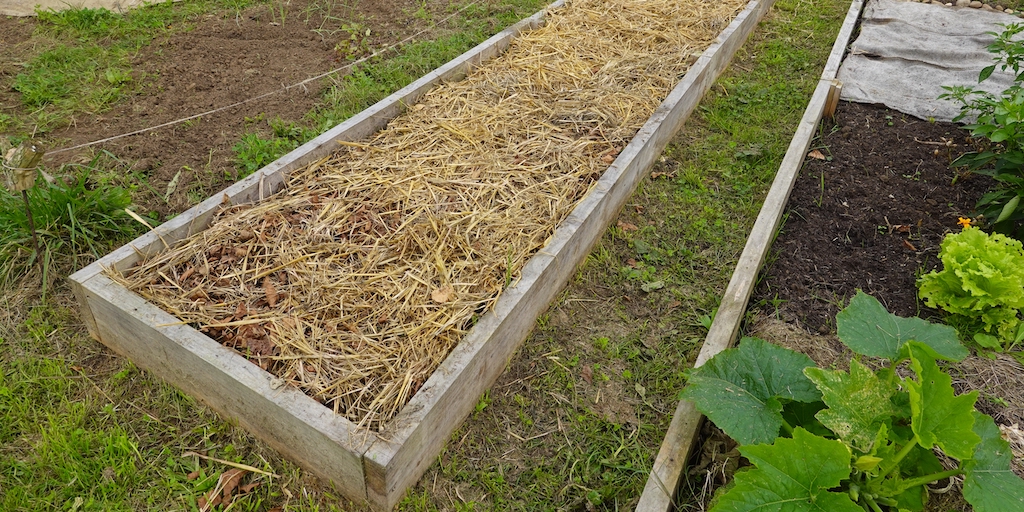
Image: Shutterstock
If you’re starting from scratch, here are some tips to help you start growing organic vegetables in a no-dig bed:
- Choose a sunny spot: mark out one small bed to begin with.
- Mow or flatten existing weeds and grass. You don’t need to remove the grass.
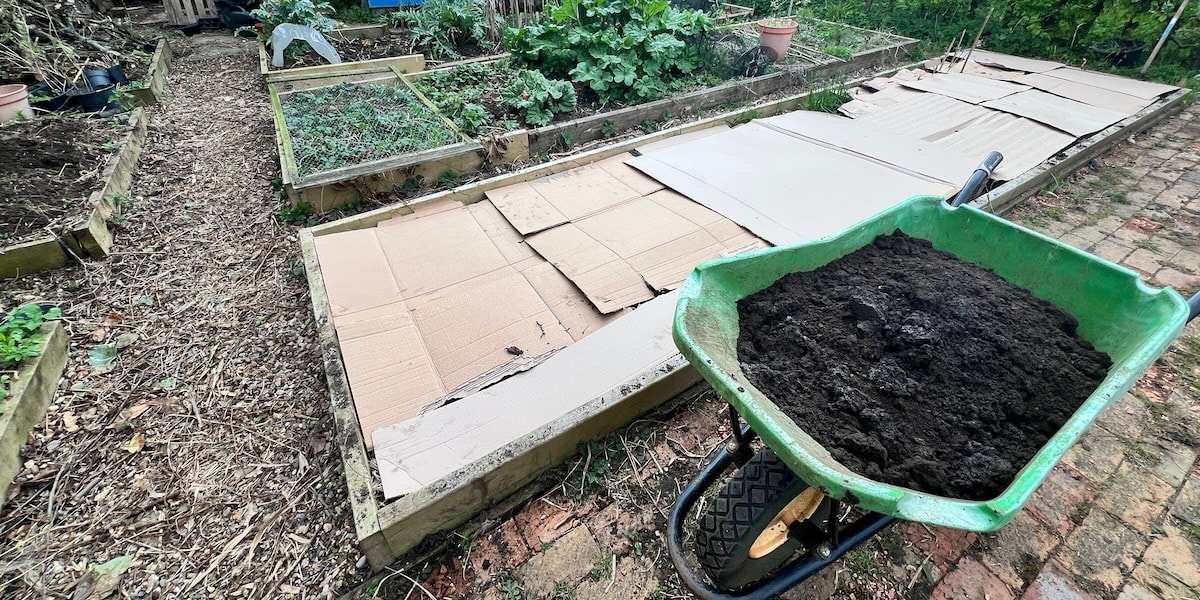
- Lay cardboard over the ground to smother growth underneath.
- Wet the cardboard so it settles well.
- Add a layer of good quality compost on top of the cardboard, around 10-15cm. If you haven’t made your own, incrediPeatFree Peat Free Compost is a good option.
- Start planting straight into the compost layer.
- Cover any bare soil with mulch.
- Pull weeds little and often before they seed.
- Top up with fresh compost each year, rather than digging.
- Keep paths separate from beds.
What are the advantages of no dig?
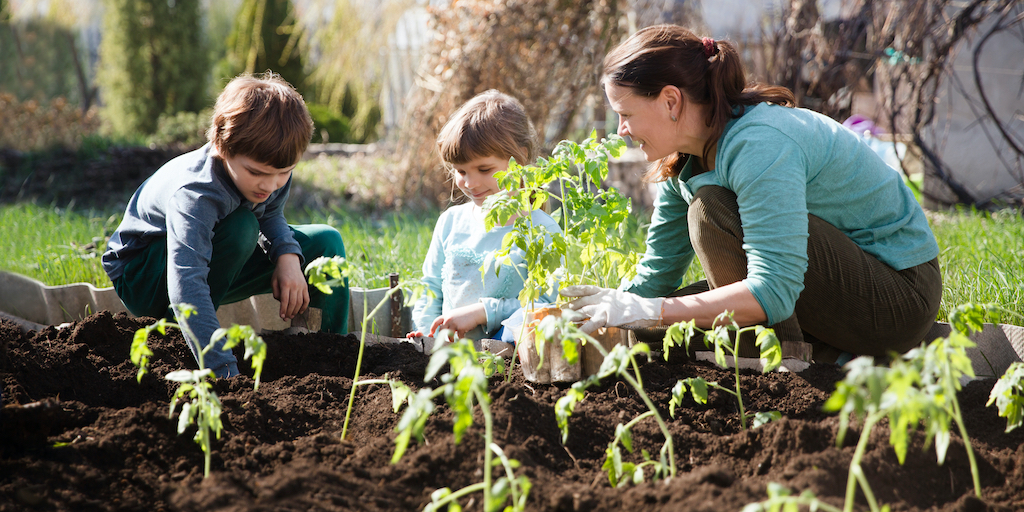
Image: Shutterstock
It’s no surprise that no-dig gardening has seen a massive surge in popularity across the UK, from suburban back gardens to sprawling community allotments. Here are some of the practical advantages:
- Less hard work: The most immediate benefit is, of course, the lack of heavy lifting. By removing the need for annual ‘double digging,’ you save your back from unnecessary strain. It turns gardening from a grueling chore into a gentle, restorative hobby.
- Fewer weeds: This is often the biggest ‘win’ for no-diggers. Traditional digging actually brings dormant weed seeds to the surface where they find the light and begin to sprout. By leaving the soil undisturbed and keeping it covered with mulch, you effectively smother many annual weeds, leading to a much cleaner plot over time.
- Better moisture retention: A thick layer of organic matter acts like a sponge. It prevents the sun from baking the ground hard and significantly reduces water evaporation.
- Healthier soil structure: When we stop digging, the soil develops a robust, natural structure. It becomes better at draining during a downpour while remaining crumbly enough for roots to penetrate easily. This healthy environment leads to stronger, more disease-resistant plants.
- Manageable for beginners: For those new to “growing your own,” the prospect of a weed-choked, compacted patch of land can be daunting. No-dig provides a clear, step-by-step path to success that is easy to maintain.
Best vegetables for no dig gardening
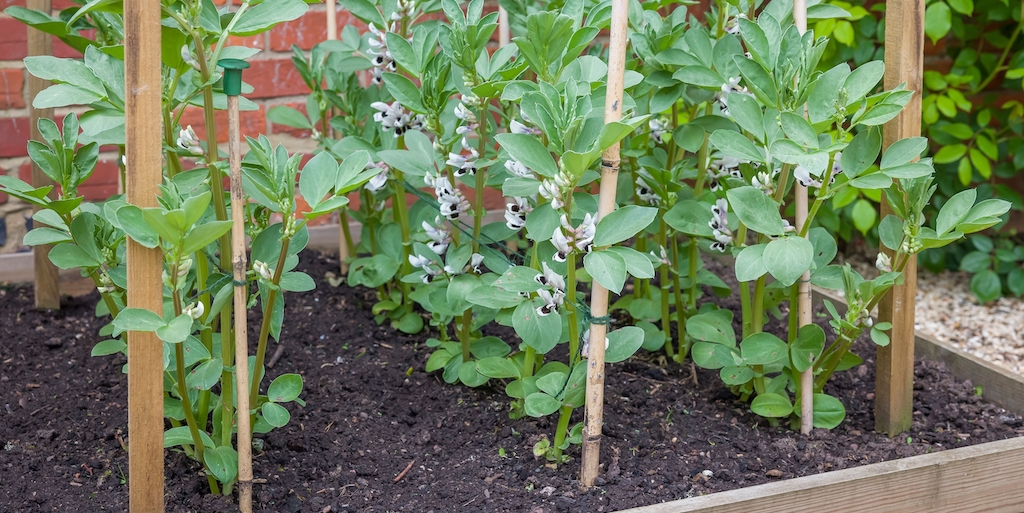
Image: Broad Beans ‘The Sutton’ from Dobies
If you’re planning a no-dig garden, organic vegetable seeds are a great choice. Not only do they help to support your garden’s natural ecosystem, they have a high natural level of disease resistance as they’ve been forced to thrive without any chemical intervention. Here are some of my favourite crops to grow in no-dig beds:
- Potatoes
- Courgettes
- Squash
- Broad beans
- Peas
- Lettuce and salad leaves
- Kale
- Chard
- Beetroot
- Onions
- Garlic
- Leeks
- Runner beans
- Tomatoes (if planted into rich compost)
We hope this answers your questions about no-dig gardening. The main secret to success is good quality compost. Read our guide to making your own compost to keep costs down and quality high. Want to know why Rob recommends organic vegetable seeds? Find this, and more of his practical advice on the Dobies blog.
Lead image: