
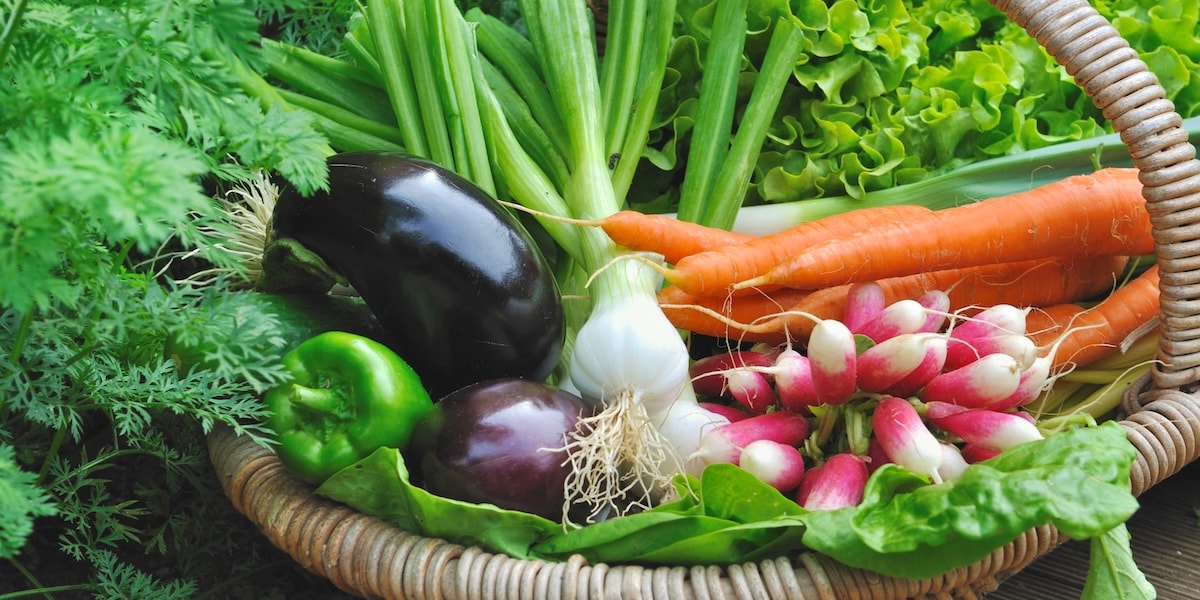
Organic vegetable seeds are the building blocks of a garden that works in harmony with nature. Harvested from parent plants that have been grown in strictly regulated environments, they support your garden’s natural ecosystem and help to create a haven for pollinators. As an added bonus, organic vegetable plants often have a higher level of natural resistance to pests and disease.
Here, author and allotmenteer, Rob Smith explains everything you need to know about organic vegetable seeds, along with four compelling reasons to choose these small, chemical-free powerhouses for your veg patch.
What is an organic seed?
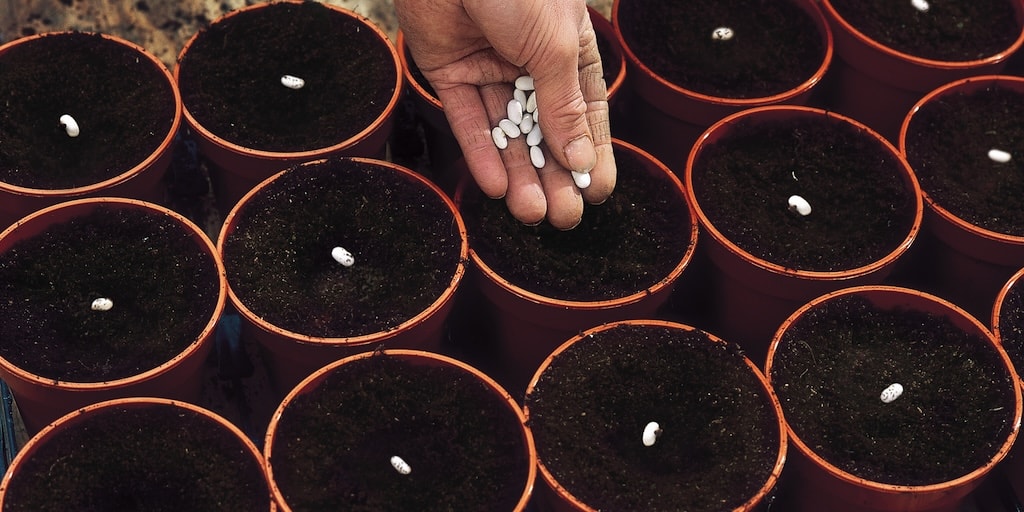
Image: French Bean ‘Cobra’ organic seeds from Dobies (© Branded Garden Products)
Simply put, organic seeds come from plants grown without synthetic fertilisers or chemical pesticides. That matters because it supports healthier soil, stronger biodiversity, and a more balanced way of gardening. When you choose organic seeds, you’re backing a system that respects the land and the wildlife around it.
While choosing between seeds, it’s important to understand that the ‘organic’ label is more than just a premium badge. In the UK, it’s a legal guarantee. To earn this title, the entire production process must be certified by an approved body to guarantee that the seed is natural, non-GMO, and has been produced in a way that prioritises soil health and environmental sustainability.
Four reasons to choose organic vegetable seeds
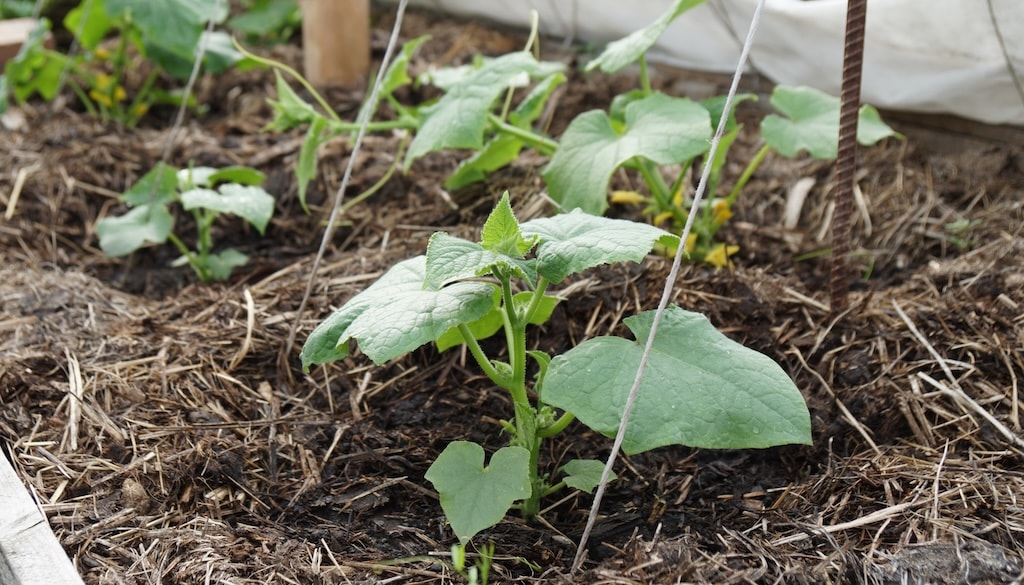
Image: ‘Strulch’ Garden Mulch from Dobies
For me, organic vegetable seeds are about more than just what ends up on the plate. They are about the whole journey, from sowing in cool spring soil to picking your first harvest in summer. Here’s why I recommend them:
1. Organic seeds are naturally resilient
One of the most compelling reasons to choose organic vegetable seeds is the inherent ‘grit’ they bring to your veg plot. Because the parent plants are raised without the safety net of synthetic fertilisers or chemical sprays, they have to work harder to thrive. This creates a form of natural selection; only the strongest, most resourceful plants survive to produce the next generation of seeds.
As a result, when you sow organic veg seeds in your own garden or allotment, you’re planting crops with a proven track record of resilience. These plants have essentially undergone ‘strength training’, developing robust root systems and natural defences against common UK pests and diseases that their conventionally raised counterparts haven’t had to master.
2. Organic seeds protect wildlife and pollinators
Organic seed production helps reduce chemical input into the wider landscape, and that’s good news for bees, birds, hedgehogs, and other wildlife. Organic farms typically boast up to 50% more wildlife and 30% more species than non-organic farms, according to data from the Soil Association. When these chemical-free seeds grow in your garden, they provide a safe, non-toxic feast for pollinators, helping to bolster the local food chain and ensure your veg patch contributes to a healthier, more vibrant ecosystem.
3. Organic growing improves the soil
Choosing organic seeds and growing organic vegetables isn’t just about what you’re keeping out of your soil; it’s about what you’re putting into the local ecosystem. In organic gardening, the golden rule is to ‘feed the soil, not the plant.’ Improving the soil supports healthy plant growth from the ground up.
If you’re already making your own compost, mulching well, hand weeding, and encouraging pollinators, organic seeds feel like the right starting point – and everything joins up.
4. Organic seeds help you grow food you can trust
For the home grower, choosing organic vegetable seeds gives you a product you can trust and complete control over what you consume. You’re starting with seed that has been produced with care, often by growers who value resilience, flavour, and traditional varieties. In my experience, that often means crops with real character, not just vegetables bred to sit neatly on a supermarket shelf.
There’s a unique sense of pride that comes with sitting down to a meal grown entirely in your own garden or allotment. And when that produce is organic, grown without the use of chemicals or synthetic fertilisers, it feels even more special. See our list of easy-grow organic veg to get started and learn about the best companion plants to support your organic garden here.