
Of all the vegetables you can grow from seed, cucurbits are one of the most satisfying! Pumpkin and squash seeds should be sown indoors in spring and, with a little warmth, will reward you with sprawling plants that feel ridiculously impressive for the effort involved. Here’s how to get the best results from your pumpkin and squash seeds…
When to sow pumpkin and squash seeds
Timing matters more with cucurbits than almost any other vegetable. Sow too early, and the plants will outgrow their pots before the soil outside is warm enough. Sow too late and you’re racing the first frosts of autumn.
The right window is mid-April to mid-May. Pumpkins and squash are frost-tender and need to be kept under cover until all risk has passed. This is usually late May to early June in most parts of the UK, though gardeners in Scotland or exposed northern gardens should lean towards the later end.
Step-by-step guide to sowing pumpkin and squash seeds
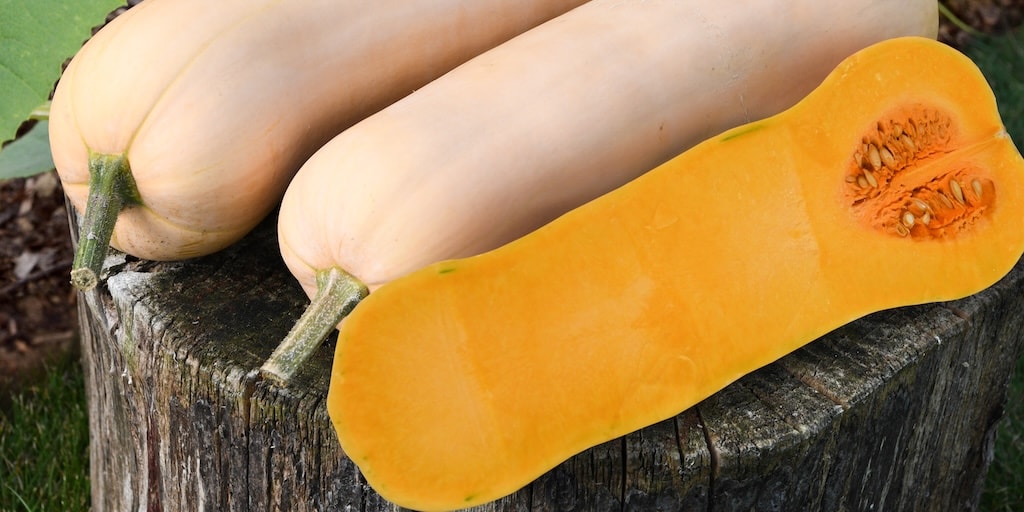
Image: Butternut Squash ‘Betternut’ F1 seeds from Dobies (© BGP)
Start your pumpkin seeds indoors in individual 9cm pots, rather than modules or seed trays. The root systems of cucurbits develop quickly and resent disturbance, so giving each seed its own pot from the outset avoids unnecessary disruption.
- Fill the pots with good-quality peat-free compost and sow one seed per pot, on its side, at a depth of around 2.5cm. Placing the seed on its edge rather than flat reduces the risk of rotting.
- Water in well and cover with a clear propagator lid or a loose polythene bag to retain warmth and moisture.
- Germination requires a minimum soil temperature of 15°C. A warm windowsill or a heated propagator set to around 18–20°C will give you the fastest results.
- Seeds typically germinate within 5–10 days. Once seedlings emerge, remove the cover and move them to the brightest spot you have to prevent leggy growth.
If you prefer, you can also direct sow pumpkin and squash seeds in early June, once all threat of frost has passed. You’ll get the best results if you warm the soil in advance by covering it with fleece, cardboard or plastic. Sow a few more seeds than you need and remove the weaker ones after germination.
Growing on before planting out
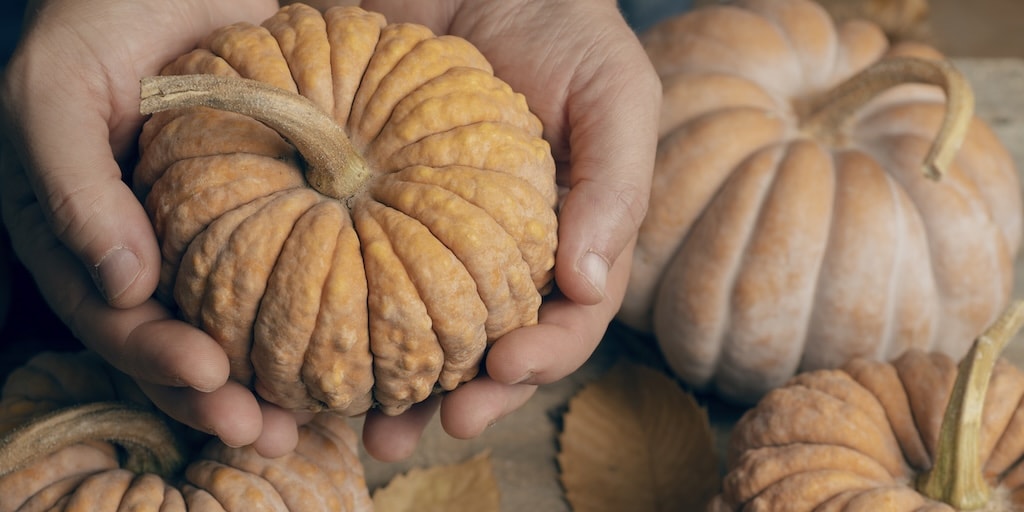
Image: Squash ‘Futsu Black Early’ (Winter) seeds from Dobies
Once germinated, keep your plants warm, well-lit, and consistently moist. Pumpkins and squash are vigorous once they get going, so don’t be surprised if they need potting up into a larger container before they’re ready to go outside. Try to disturb the roots as little as possible, if this is the case.
Begin hardening off around mid-May by moving the plants outdoors during the day and bringing them back in at night. Give them a week to ten days to acclimatise before you commit them to the ground.
Planting out your pumpkin and squash
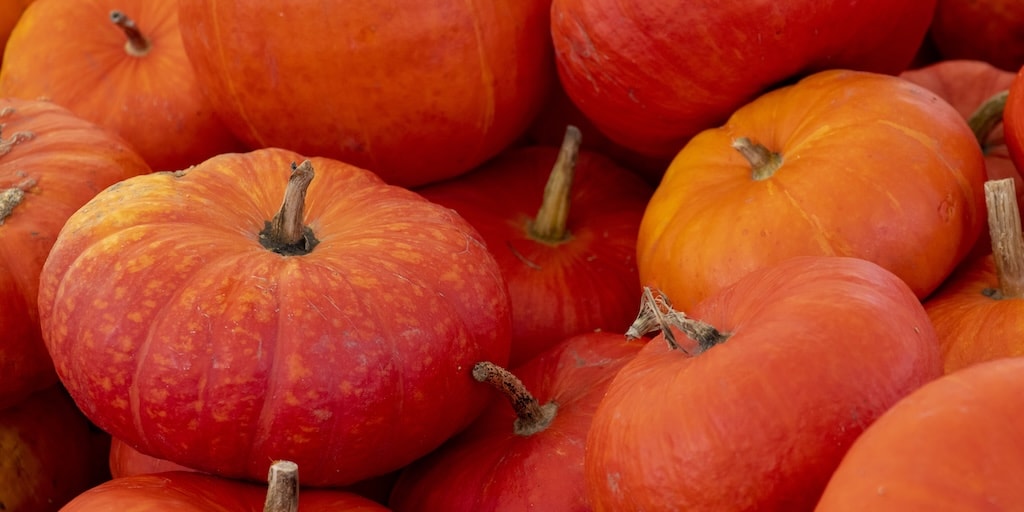
Image: Squash ‘Rouge Vif d’Etampes’ organic seeds from Dobies
Pumpkins and squash need more room than most gardeners expect. The plants produce long trailing stems that can easily extend two metres or more, so spacing them about 90cm apart is a good starting point. Some of the giant pumpkin varieties want considerably more.
Prepare planting holes by incorporating plenty of well-rotted compost or a slow-release fertiliser. These are hungry plants and keeping them well-fed through the growing season will directly affect the size and quality of the harvest. Plant at the same depth as the pot, water in thoroughly, and consider covering with a cloche or fleece for the first week if nights remain cool.
How to care for pumpkins and squash
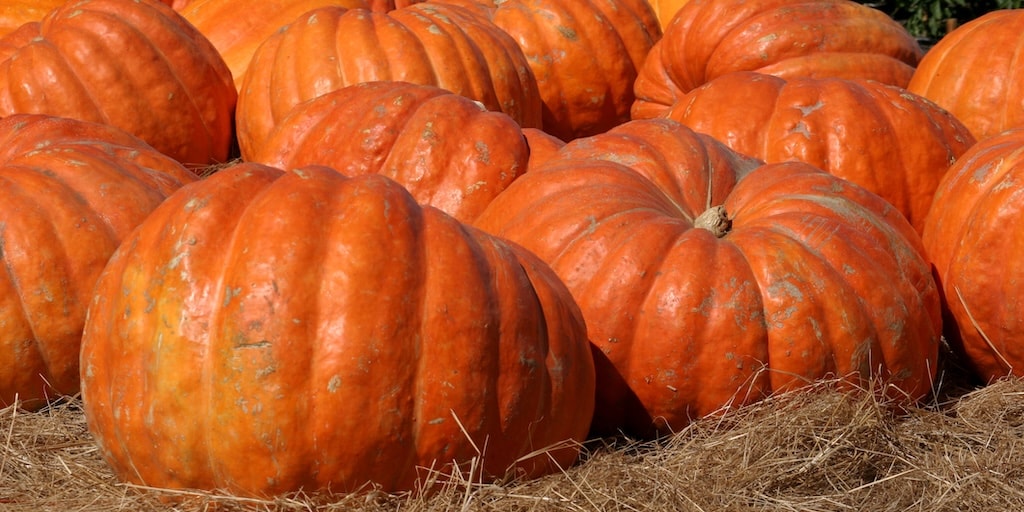
Image: Pumpkin ‘Atlantic Giant’ seeds from Dobies
Pumpkins and squash need regular watering, particularly once the fruits start to swell. Water at the base of the plant rather than over the leaves to avoid mildew. A thick layer of mulch will help to reduce evaporation and retain moisture.
If you’ve prepared the soil well, you shouldn’t need to feed your plants. But if you’re growing giant pumpkins you can apply a high-potash fertiliser every two weeks once the fruits start swelling.
It’s a good idea to raise the fruits onto a tile or small paving slab to prevent them from rotting on the damp soil. You should also remove any foliage that shades them from the sun, to help them mature and ripen.
How and when to harvest
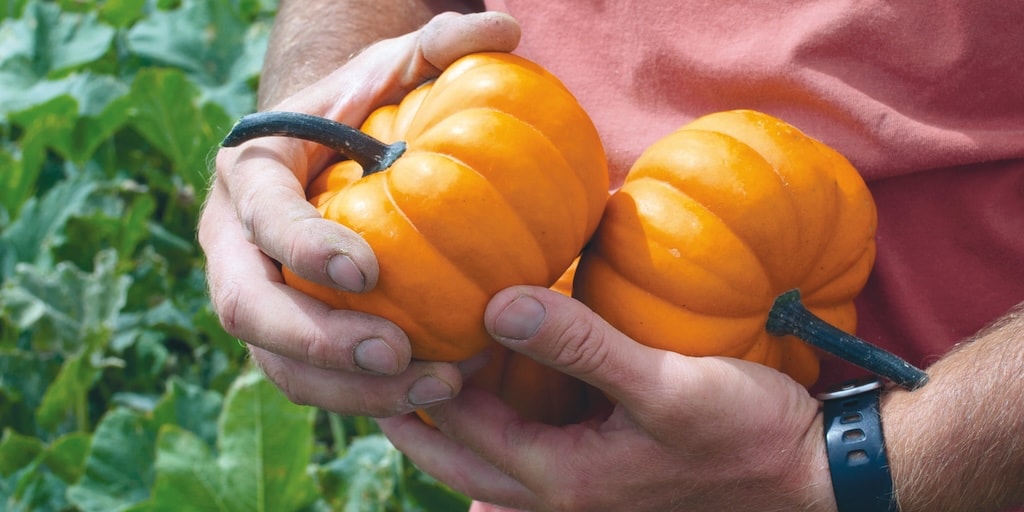
Image: Squash ‘Orangita’ seeds from Dobies
Summer squash are harvested young and continuously from mid-summer onwards. The more you pick, the more the plant produces.
Winter squash and pumpkins should be left on the plant until the skin hardens and the stem begins to dry out and cork over, usually September to October. But keep an eye on the weather and be sure to harvest them before the first frost. After harvesting, cure them in a warm, dry spot for ten days to toughen the skin further. This will significantly extend their storage life.
A good test for readiness is to tap the skin. A hollow sound and a hard surface mean the fruit is ready to come in.
Best pumpkin and squash varieties to try
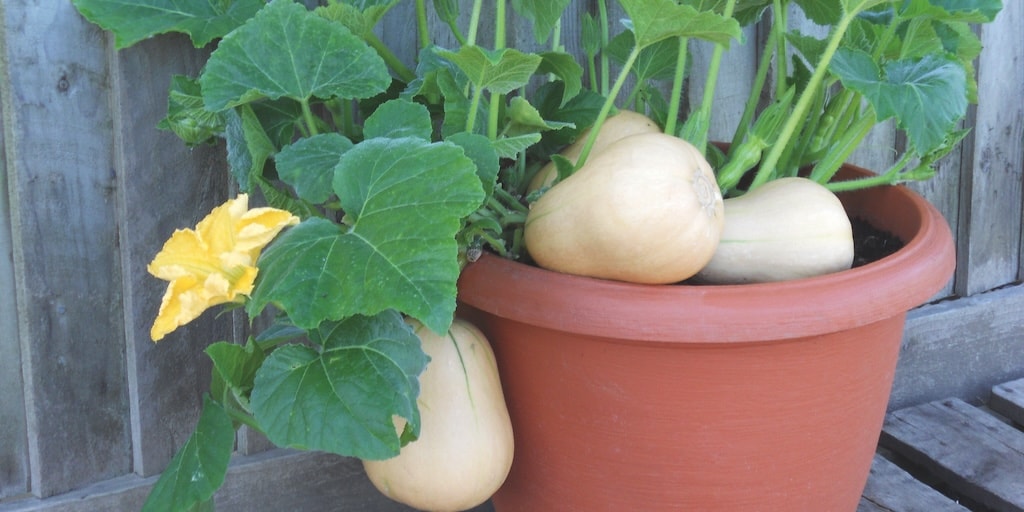
Image: Squash ‘Butterbush’ F1 seeds from Dobies
Four varieties that earn their space in any kitchen garden include:
- Squash Kabocha ‘Rosie’ F1 is an attractive variety that produces a high yield of round dusky pink fruits from June to September. The flesh is sweet and nutty, and the fruits store well.
- Butternut squash ‘Betternut’ F1 is a space-efficient favourite that produces fruits from June until September. It has a small seed cavity that means less waste, and the dense, sweet flesh stores well into winter.
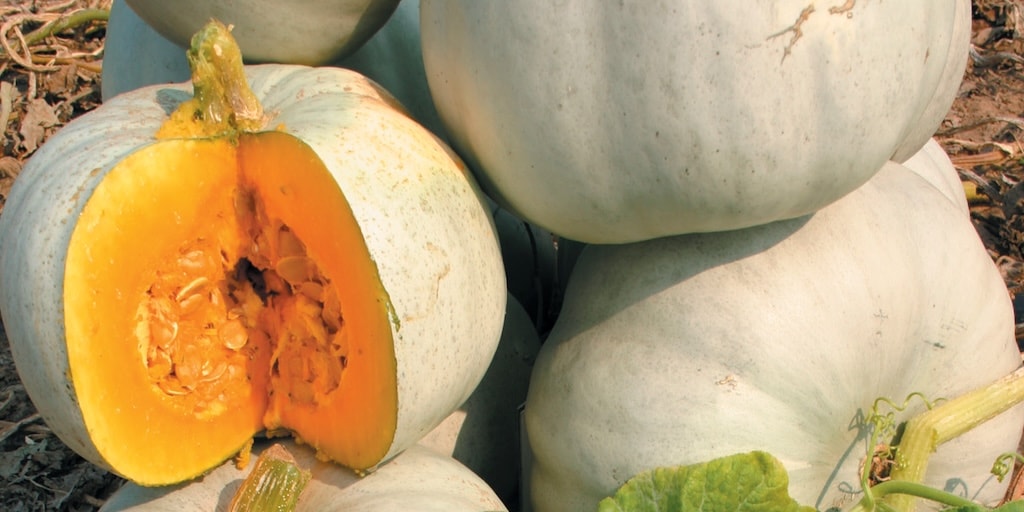
- Pumpkin ‘Grey Ghost’ F1 is a superb new variety that can be harvested from September to December. The bluish-grey skin contains deliciously sweet, orange flesh that’s perfect for roasting and soups.
- Squash ‘Butterbush’ F1 is the perfect ‘cobnut’ variety for containers. It has a compact, bushy habit and the fruits are particularly good when baked in foil like a jacket potato.
We hope we’ve inspired you to give pumpkins a go. If you’re short on space, read our article on vertical gardening and train your squash over an arch. And if you don’t know which seeds to choose, here are some of the best reasons to try organic.
Lead image: Pumpkin ‘Grey Ghost’ F1 seeds from Dobies